A Decade of Adaptive Reuse
The most inventive architecture of the past ten years wasn't built from scratch. These projects found extraordinary potential in existing structures — factories, churches, silos, and warehouses transformed into cultural landmarks.
28 March 2026
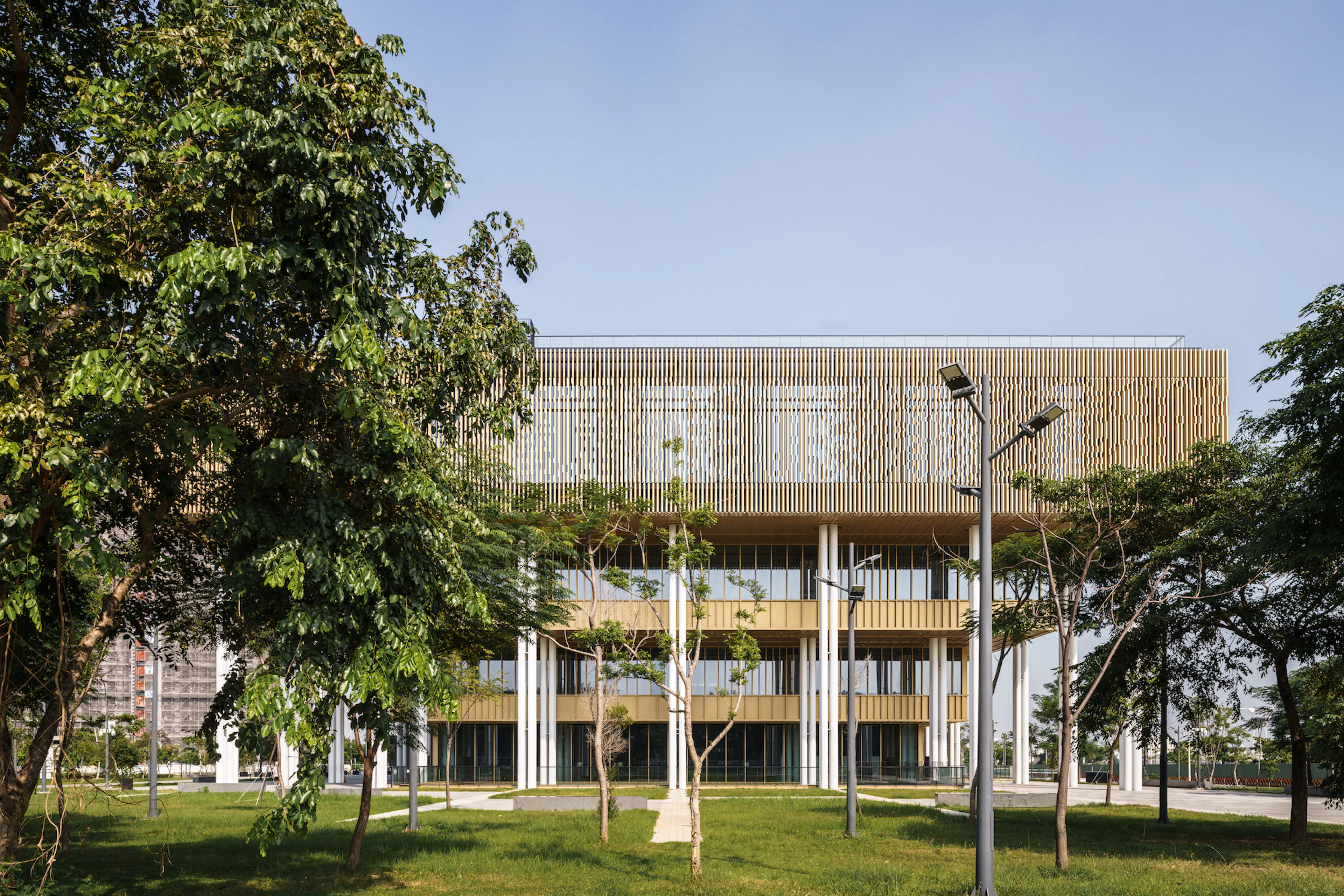
New construction is the default assumption. An architect gets a brief, designs a building, breaks ground. But a growing number of the most celebrated projects in the A+ Awards tell a different story: the best building was already there.
Adaptive reuse demands a different kind of creativity. The architect inherits constraints — column grids, floor-to-ceiling heights, fenestration patterns — that a blank-site project never faces. The discipline of working within these constraints often produces architecture that is more inventive, more characterful, and more sustainable than anything built new.
The economics have shifted too. In many urban markets, the cost of demolition, remediation, and new construction now exceeds the cost of thoughtful renovation. When you add the carbon cost of demolishing embodied energy and manufacturing new materials, the case for reuse becomes overwhelming.
These projects don't just preserve buildings. They reveal potential that the original architects never imagined.
Featured projects (8)
The Chamber Church
BUZZ / Büro Ziyu Zhuang
Kayne Griffin Corcoran Gallery
Standard
Artglorieux
Koichiro Oniki / ODS
TIRPITZ
BIG - Bjarke Ingels Group
Congress Center and Auditorium "Vegas Atlas"
PANCORBO+DE VILLAR+CHACON+MARTIN ROBLES
Mecanoo
Mecanoo
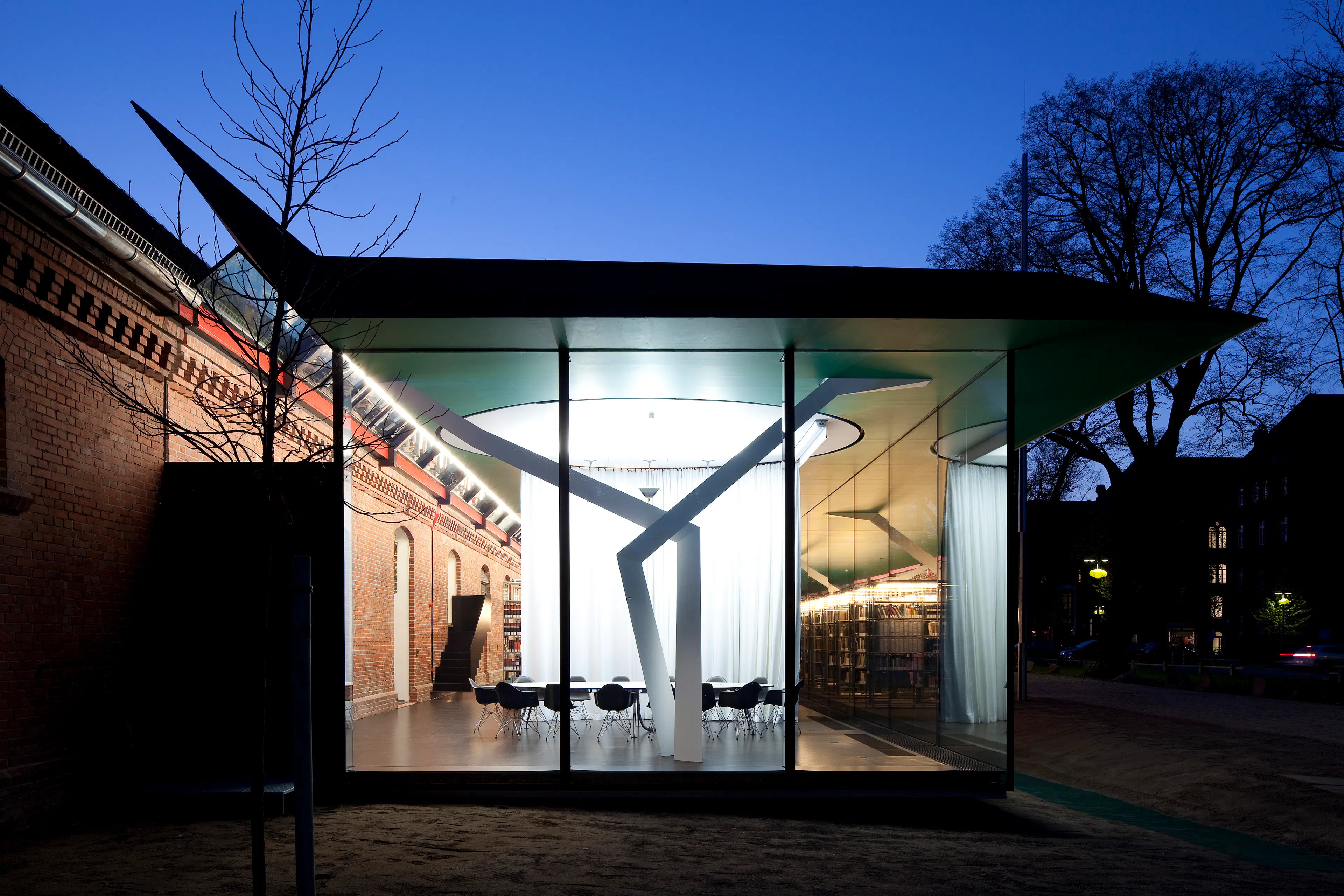
The Horse on the Ceiling
zauberscho(e)n
Library of Birmingham
Mecanoo